Your partners are doing work nobody can bill for
Engagement letters, onboarding packs, research the firm already did once last year. It is not the work clients value and it is not why anyone qualified. Give us four weeks and the first draft of all of it stops being a partner’s job.
What we’d build for you
We pick three processes in the first week, from wherever your hours actually go. These three come up in almost every practice we talk to.
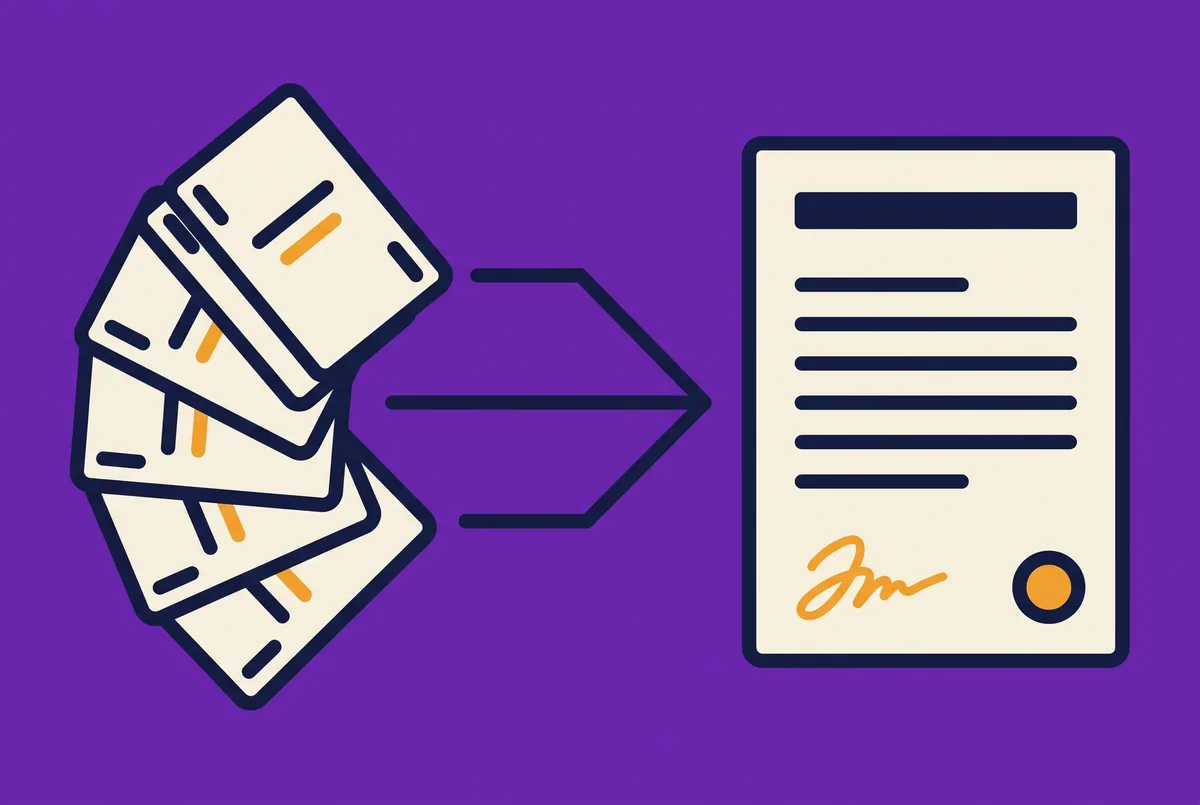
Engagement letters and fee proposals
Ever agreed a piece of work on a call and then taken a week to get the letter out?
The system takes the scoping conversation, pulls the right clauses and service blocks from your own precedent library, prices them off your own rates, and drafts the letter in the firm’s house style. A partner reads it and sends it. It goes out the same day, while they still want it, which is usually before anyone else has replied.

Client onboarding
Ever got three weeks into a job and found that nobody had asked the client for half the documents?
Onboarding packs, information requests and the internal file get drafted from the engagement itself. The system knows what this type of work needs, chases what is still missing, and keeps the record straight as it goes. The compliance judgement stays with your people, exactly where it belongs. The typing does not.
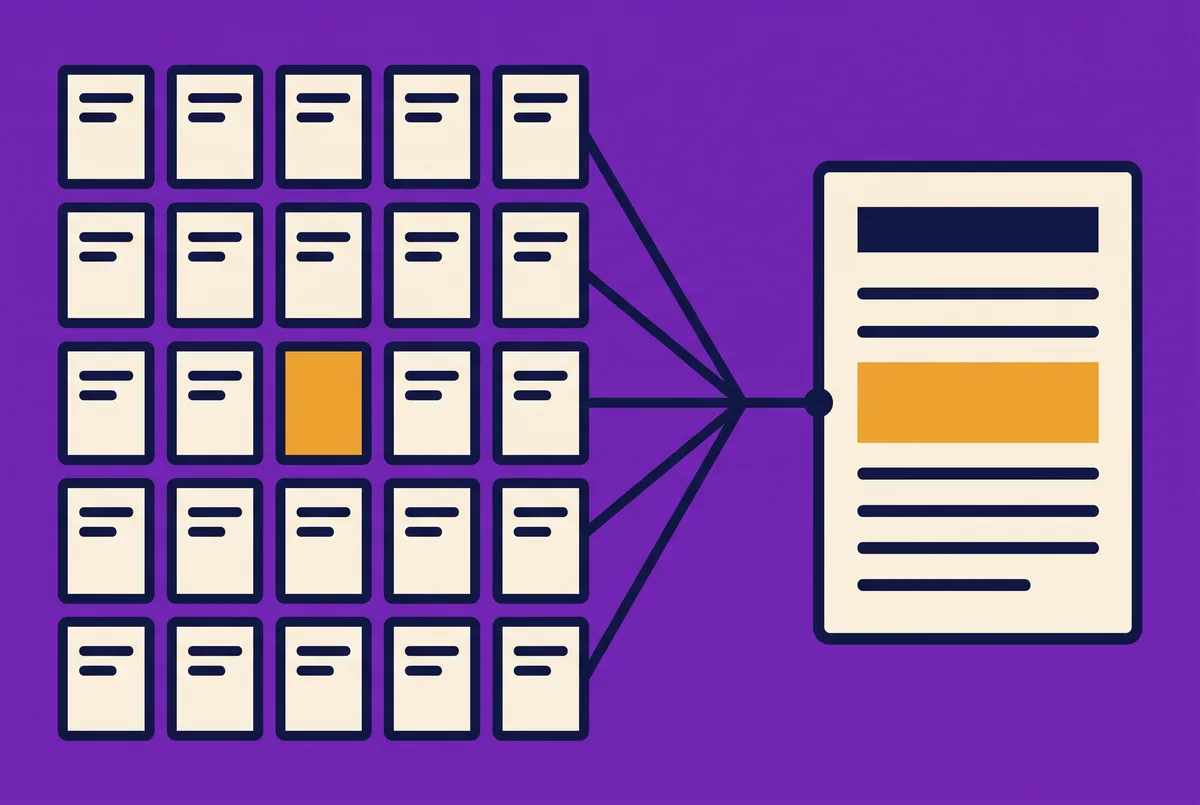
Research and file notes
Ever spent a day on research that someone two desks away had already done last year?
Everything the firm has already worked out becomes searchable and reusable, and the draft memo comes back in your own house style citing your own precedents. What your senior people know stops living in their heads and in their sent items, which also means it stops walking out of the door with them.
The part that worries you
You are regulated and you carry client confidentiality. This is the question we get asked hardest, so we would rather answer it before you have to ask.
We do not touch client files
We work with the firm’s own operational material: precedents, templates, your rate card, your internal know-how. Client records and client financial data stay out of scope unless you specifically instruct otherwise and can evidence the consent. This is the single most common reason these projects go wrong, so we take it off the table at the start.
Nothing reaches a client unread
Every automation ships with checks built in, and a qualified person signs off before anything leaves the firm. The system drafts. Your people decide, and they remain the ones who are responsible for the advice.
It runs inside your own tenancy
Everything sits in your accounts, under your retention rules, inside what your regulator and your professional indemnity insurer already expect of you. You can switch it off at any point and keep all of it.
It sounds like your firm
Trained on your own precedents and your own house style. That is the entire point of the first week. Generic drafting is what happens when the AI has never read a single thing your firm has written, and it is obvious to everyone who reads it.
We also work with
Claim your 30-minute free strategy session
Tell us a little about your business. You get your AI plan within 48 hours, and it’s yours whether or not we ever work together.